
Translation into most languages at tab to the right.
A generation is usually considered the years during which children are born, grow up, become adults, and begin to have children of their own. Approximately 20-30 years, averaging 25 years. Each generation becomes known by what characterizes the lives of those in it – what they do and how they impact society.
I’ve been thinking about my son, who would be 36 this year – if he had survived the opioid plague that began in the 1990’s with the prescribing of opioids for every ache and pain. What Purdue Pharma did is old news and well documented. But the effect of the immorality of the Sackler family set a course that destroyed the lives of an entire generation – the “Millennials” generation of my son and his contemporaries.
Far more than a million Americans have died due to a drug overdose in the past 25 years and the majority of those deaths are from opioids. (1) Initially it was prescription opioids, then heroin, then fentanyl. And now a daily variation of synthetic opioids mixed in with every variety of street drug. These are made from precursor chemicals from China and shipped around the globe where they are “formulated” into fake prescription pills or street drugs in jungle or backyard labs. Quality control is non-existent.
Beyond the deaths, there are millions of Americans who are suffering from life-threatening addiction. They will either be another statistic or live the life of an empty shell surviving from one fix to the next just to not feel “dope sick.” Many are homeless and jobless. All experience despair and hopelessness. It will take years to gain long-term recovery if they can access health care and programs.
There has been some good news. After the peak years of the Covid pandemic, when the rates of addiction and deaths from overdoses rose substantially, the statistics for 2024 finally show a decline in both. (2) It may be due to less anxiety and depression since the pandemic ended. It may also be due to more awareness of Medicated Assisted Treatment and better access to Harm Reduction tools such as pill testing and overdose reversal medication naloxone.
I think the best area for hope is the common knowledge the “Gen Z” kids are growing up with about the deadly dangers of drug addiction. That their parents are also more aware of the drug supply than parents of Millennials like me. The 2023 National Survey on Drug Use & Health found that the majority of adolescents (12-17 yrs. old) in the USA are not using substances, alcohol, tobacco products or vaping. (3) But ongoing effort is imperative. “Continued prevention programming, education, and public messaging focused on adolescents can delay or prevent substance use and avoid the negative impacts of substance use that have been widely documented.”
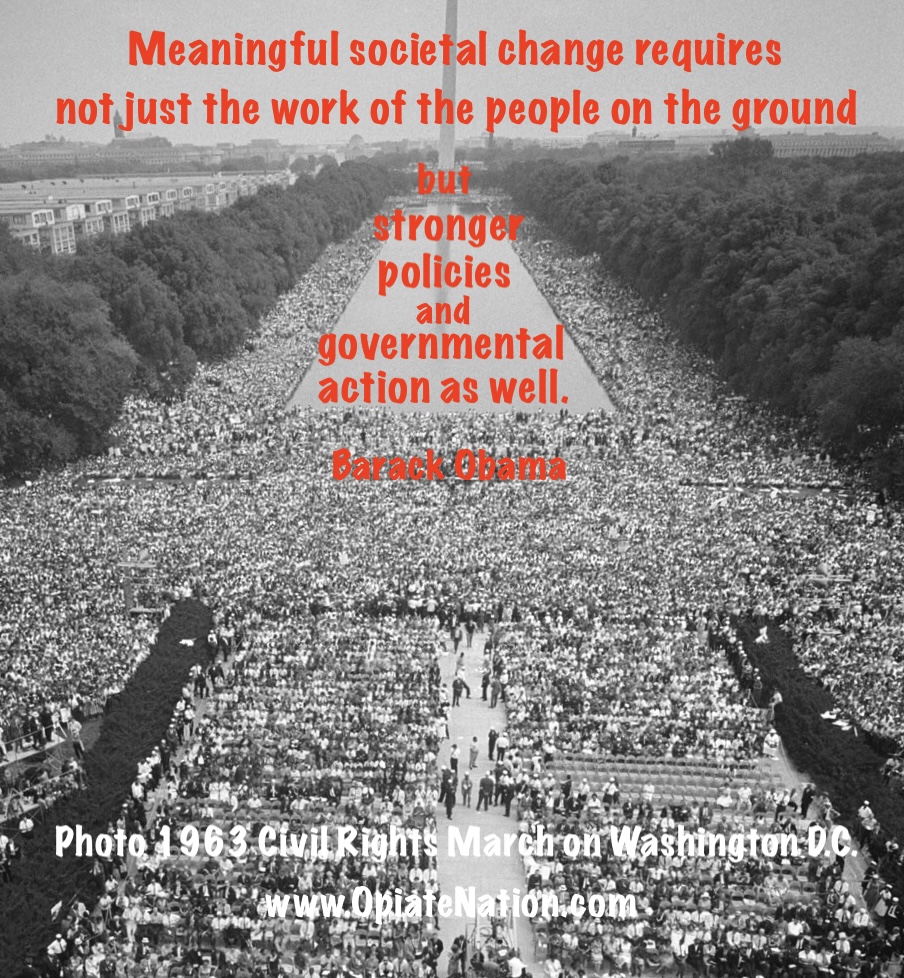
If we truly want to see future generations of children have the opportunity to grow up without the continual pull to use drugs, we need to keep our relationships with them open and healthy. Every year we can delay experimentation with addictive substances allows children’s brains to develop more fully in the area of judgment. We must all stay informed and aware and work in whatever arena we are able. As Barack Obama told Michelle when he was working for her as an intern, that he was in law school because grass roots organizing had shown him that meaningful societal change requires not just the work of the people on the ground, but stronger policies and governmental action as well. (4)
- Fentanyl and the U.S. Opioid Epidemic
https://www.cfr.org/backgrounder/fentanyl-and-us-opioid-epidemic
2. The Opioid Crises and The Pandemic
3. NSDUH Data Show Most Adolescents in the US Are Not Using Substances
4. Becoming, by Michelle Obama, Chapter 8
 Opiate Nation