International Overdose Awareness Day – August 31, 2023

(Translation into most languages at tab to the right)

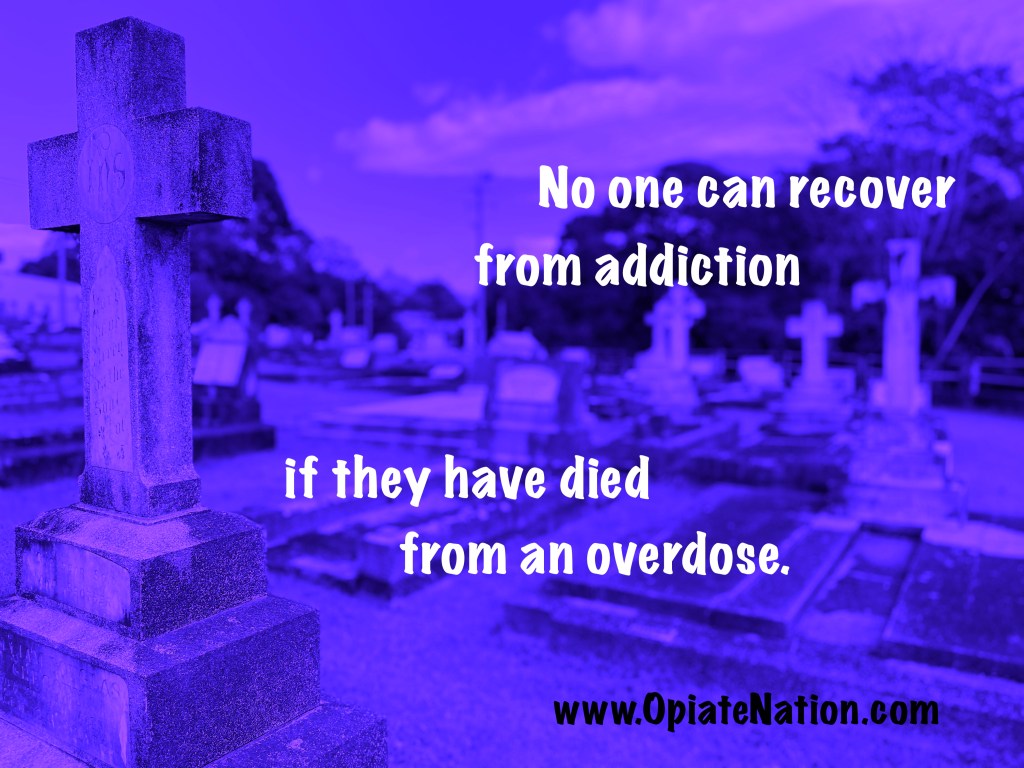
No one can recover from addiction if they have died from an overdose.

International Overdose Awareness Day (IOAD) is the world’s largest annual campaign to end overdose. It is a day to raise awareness about the risks of overdose, honor the individuals whose lives have been lost, and acknowledge the grief felt by families, friends, and the community

With synthetic drugs made from chemicals in China and added into illicit drugs around the world, the need has never been more urgent to alert us all to the risk of overdose facing millions of people worldwide. What can we do to help prevent further loss of lives for those already struggling with addiction?

Prof. Dan Lubman (Australia) shared a thought that stuck in my mind because it brought up memories of conversations I had with my son while he was addicted. Instead of asking, “Why are you taking drugs?” A more engaging question would be, “What put you in this vulnerable position?”

This question shows the understanding that addiction is not just a matter of choice or will-power but that it is a complex problem that will not be helped with simplistic answers such as “Just Say No.” When a person feels less stigma, that they are not being judged, and that there is hope for them, they are increasingly likely to consider treatment.

So, what does put people into the vulnerable position where drugs/alcohol are helping them cope with life? The 5 main factors that contribute to addiction are:
genetics, mental illness, home and social environment, stress, trauma/abuse.

We can’t do anything about our genes although if you know there is alcoholism/addiction in your family tree there is need for extra awareness and precautions. Mental illness once recognized and diagnosed properly, can be treated with therapy, education, and medication. Home and social environments, stress, and trauma and abuse are absolutely within parents, extended family, and society’s control. This is where raising our children as “a village” is so important, but it is in peril with our upwardly-mobile lifestyles of frequently moving house, not enough time together, and not engaging with our community. Educating our families and involvement in healthy and safe support networks such as service organizations and faith and school communities are a good place to start.

Once someone is using substances to self-medicate, what can we do? First, we need to look for, and reach out to, people struggling with addiction. There may be some in your circle of friends – even in affluent communities. If we truly understand that those individuals will shrivel in shame from stigma, we can start by changing how we speak about them and to them – we’ve changed our language for things a lot less deadly. Building trust over time is critical to someone feeling they can openly discuss their problems. We can find out more about what is being done in our community to support recovery efforts and get involved with clean needle exchanges, Narcan training and distribution, opioid substitution therapy, food distribution, safe injection and health facilities, etc.

In a report from Norway discussing housing for people who are addicted, Jon Storaas, manager of RIO, an organization in Norway working to help substance abusers, said, “We need to provide residences to ensure that addicts can live with neighbors who don’t share their drug problems…meet with them, talk about their problems…this kind of experience and openness can strip people of their ordinary prejudices. You need to create these encounters so people can see that drug addicts are human, too. Extreme examples of ordinary people, you might say. But ordinary nevertheless.” (1)

In 2018 Time reported that in the 1990’s, Portugal was in the grip of heroin addiction. An estimated 1% of the population—bankers, students, socialites—were hooked on heroin and Portugal had the highest rate of HIV infection in the entire EU. But in 2001, Portugal took a radical step. It became the first country in the world to decriminalize the consumption of all drugs… while drug dealers still go to prison.

The results? The drug-induced death rate has plummeted to five times lower than the EU average and stands at one-fiftieth of the United States’. Its rate of HIV infection has dropped dramatically. Drug use has declined overall among 15-24 yr-olds, those most at risk of initiating drug use. And, by eliminating the threat of criminal penalties—and along with it, a great deal of stigma—it has become easier for people to seek treatment.

“What America and other countries can learn from Portugal is to treat people with more dignity.” Portugal has showed that, without spending significant sums, governments can give drug users the tools to put their lives back on track. But to do so, it will have to stop treating them like criminals. (2)

Ultimately, what IOAD is about, what this blog is about, is Awareness: Becoming aware of a problem is the first step towards solving that problem. For this August 31st, I want to remember all those who have died from drug or alcohol overdose, my son included. Remember that they were precious individuals who were loved by their parents, family, friends and God. And although we live in a world where death is something that happens to every person who is born, premature and preventable death is a tragedy that each and every one of us should work diligently to prevent. Let’s find our arena and fight for the lives of those we love.

No one can recover from addiction if they have died from an overdose.

(1)

Addicts Want Sober Neighbours by Georg Mathisen
Saturday 11. January 2014, Norway
https://sciencenorway.no/addiction-drug-rehab-drug-use/addicts-want-sober-neighbours/1395274

(2)

WANT TO WIN THE WAR ON DRUGS? PORTUGAL MIGHT HAVE THE ANSWER By Naina Bajekal | Photos by Gonçalo Fonseca – August 1, 2018
https://time.com/longform/portugal-drug-use-decriminalization/

Unwelcome Reminders & Another Anniversary

(Translation into most languages at tab to the right)

“We were trying, all of us, so hard, and he just wanted to live.” (1)

Ursula Rauh said this about her brother, Tommy, after his death from a fentanyl overdose and a dozen stints in rehab in ten years. He became addicted to Oxy’s at 23 after being prescribed an unlimited amount for tendinitis and a year later, another prescription for wisdom teeth extraction. Sam Quinones retells the family story in The Least of Us: True Tales of America and Hope in the Times of Fentanyl and Meth. “The tragedy wasn’t just the death of her brother; it was all the time, effort, love, and pain that the family traversed, the hoping and living for the smallest encouragement.” (1)

When my husband, John, and I returned from Australia in May, we decided that we needed to address the decades of files we had saved and ‘stuff’ we had accumulated and ‘stuffed’ away in closets. We have shredded and recycled dozens of boxes of documents, cleared out half the books in our library, and now I have moved on to scanning and sorting thousands of photos. While I was pulling bins of photos and albums out of closets, I came upon a few more file bins. I sighed out loud to John, “Oh boy…more of JL’s file’s I’d forgotten about.”

Continue reading “Unwelcome Reminders & Another Anniversary”

The Least of Us, Part Two: Big Dope, Consumerism, Supply & Demand

(Translation into most languages at tab to the right)

It’s hard to know where to start in delving in to Sam Quinones new book, The Least of Us. The more I read, the more I want to say in the hope of convincing everyone to read this insightful and comprehensive treatise on how we ended up where we are today in American society and why he finds reasons for hope even amid such despair.

When Sam wrote Dreamland in 2015, he was truly an anthropologist documenting the origins, development and cultural characteristics of the Opioid Epidemic. But Quinones saw beyond the opioid epidemic and warned us of the dangers of synthetic designer drugs and the kingpins who made their products in Magic Bullet blenders and illicit labs. With cheap fentanyl, 100 times more powerful than morphine, traffickers laced it into every other street drug causing tens of thousands of deaths in America. At the same time, they made Meth more potent and cheaper, causing its own epidemic of mental illness, violence, and homelessness. It presents “the rawest face of living addiction. Meth users dragged themselves through the nighttime streets, howling, hysterical, starving.”

Read more: The Least of Us, Part Two: Big Dope, Consumerism, Supply & Demand

When he continued his investigations in The Least of Us, he came to realize that, “In a time when drug traffickers act like corporations and corporations like drug traffickers, the forces looking to manipulate our brains for profit are frightening to behold. So many more synthetic blasts compete for our brain receptors–from chicken nuggets and soda to cell phones and social media apps, methamphetamine and fentanyl.” (1) This is not news to any of us and yet we seem strangely mesmerized to our own state – and that of our children – as we continue to acquiesce to the lure of pervasive consumerism.

Big Dope – like Big Tech, Big Pharma and Big Finance – is Big Business aimed at the voracious consumer market in Western society where traffickers are producing illegal synthetic drugs of abuse year-round. No more having to wait for two or three poppy crops every year. They have easy access to world chemical markets, global banks to wash their money, and weapons to enforce their will. Blood Gun Money: How America Arms Gangs and Cartels written by journalist Ioan Grillo in Mexico, documents the ways guns are easily bought in the US and smuggled south to arm drug gangs in Latin America. Seventy percent of firearms the Mexican military seized in 2018 were made or bought in the US. But Quinones is clear that Mexico, China, and the US all share responsibility for the worldwide addiction crises.

Although the Law of Supply and Demand is commonly associated with economics, it is also part of our daily lives. When the supply of something decreases (making it rarer) or when the demand for that good increases (making it more sought after) the price goes up. Conversely, goods will decline in price when they become more widely available (less rare). This is never truer than in the world of illicit drugs.

Sam Quinones lived and worked in Mexico for 10 years and he believes “solutions will come only when Mexico and the US work together. This is crucial because walls don’t stop dope. Not in an era of free trade.” (2) He stresses that drug demand is important, but the drug epidemic begins with supply.  Remember how the opioid epidemic started? Purdue Pharma – Big Pharma – and their relentless marketing (pushing, trafficking, peddling) and unlimited supply of prescription opioids? (3)  They were the initial ‘dope dealers’ of the opioid epidemic. Or go back in time to the Opium Wars and British trade merchants. (4) And how about sugar-laced breakfast foods, snacks, drinks? (5) Did we demand them for our children or were they supplied and pushed via relentless advertising by multi-national corporations? And the motivation for all these actions? Money, and lots of it.

Next time, I will share the hope Quinones gained as he traveled the country and listened to stories from those affected by the addiction crisis. I hope that I have piqued your interest sufficiently so you will buy a copy of The Least of Us (6), read it, and pass it on to friends and family.

  1. The Least of Us, pg. 362
  2. Ibid
  3. Where the Buck Stops and Where It Is Hiding – BLOG January 26, 2020 https://opiatenation.com/2020/01/26/where-the-buck-stops-and-where-its-hiding/
  4. Laudanum––an opium tincture that contains almost all of the opium alkaloids, including morphine and codeine––was developed in the 16th century. Many Puritan wives of the whaling merchants used it daily. By the 18th century, the medicinal properties of opium and laudanum were well known. The Chinese knew it was addictive when the idle rich used it “recreationally”, and so they banned it in the 1720’s. But the British trade merchants (some of the early ‘corporations’) saw it as a source for additional income from their colonies. In 1839 the first wars were fought––The Opium Wars––that succeeded in opening up trade with opium from India. Those increased supplies created what we’ve all heard about – Opium Dens – that plagued China for a century.
  5. The Least of Us, pg. 81
  6. https://samquinones.com/
Continue reading “The Least of Us, Part Two: Big Dope, Consumerism, Supply & Demand”

The Least of Us, Part One: Julian

(Translation into most languages at tab to right)

As I was driving home in 105-degree heat last week, I noticed a young man carrying a plastic bag stumble to a bus stop bench and sit down. It was clear he was homeless and it was equally clear that he was on drugs. I felt compelled to pull over. I rolled down the window and asked, “Are you ok?” He said, “No.” I asked if he needed help, and he wept and said “Yes.” When he came over to the truck, I asked if he was on drugs, and he said “No.” I said “I think you are on drugs and you don’t need to be ashamed.” He said he was, so I asked if I could sit with him and talk.

As we sat on the bench in the heat I asked what drug Julian (not his real name) was using. Fentanyl in the form of street Oxy’s that sell for $2 and come from Mexico. He is homeless, has never known his father, his mother is out of state and done with him. He is 23 years old and has been struggling with alcohol and addiction for 5 years – fentanyl for the past 1½ years. I told him about my son and said Julian was on the same path to the morgue unless he could get clean. He had gone to rehab in March with a predictably miserable 5-day detox and then was supposed to go to a sober home, but said they never got him there – probably not true. I offered to take Julian for something to eat and to try to connect him with a program to help him. While I drove and he nodded off, I called a few of the directors I knew from programs our son went to, but had to leave messages. I decided to take him home for a shower and a rest as we tried to find him a place.

My husband John prayed with this sweet and troubled young man and encouraged him to know there was hope and that he wasn’t a bad person, or less-than, but had a powerful war waging in his brain that needed medical help and emotional support. We drove him to the public behavioral health service, where he had gone in March, and got him signed in. It was an hour wait for him to go through intake again, so we left him with our names and phone numbers to give as his contacts for help so that we could follow up on how he was doing.

When we tried to follow up the next day, we found he had done a runner and never went through the intake. I would guess the fear of excruciating withdrawal was stronger than the fear of a potential or eventual death. This is so common, especially for those who have tried many times to get clean. Addiction specialist, Dr. Richard Whitney said, “Once people get addicted, they really lose the power of choice.” (1)  Even with medication, the drugs need to be out of your system first. On average, it takes 4-5 recovery attempts and 8 years to achieve one year of sobriety. After another 5 years in recovery, the relapse rate drops to 15%.(2)That is 13 years to try to undo what most commonly started as trying something fun as a young person. The chemistry in our brains needs more time to recover than a few weeks or months from the damage done by opiates.  

In 2015, Sam Quinones released his award-winning book Dreamland: The True Tale of America’s Opiate Epidemic documenting how Purdue Pharma – with a monopoly on the market on pain in the 1990’s with its new highly addictive drug, Oxycontin – deceptively promoted it as a non-addictive solution for every ache and pain. Then, with the lure of easy money, young men in Mexico, independent of the drug cartels, trafficked black-tar heroin to neighborhoods in America as a cheap alternative to Oxy’s. Its powerful long-lasting high then became the go-to drug for millions of young people who could heat and smoke it – our son included. Quinones states that the perfect storm was created when the pursuit of prosperity, pain avoidance, and the breakdown of close-knit family and community life, beginning in the 1960’s, created the void that those easily available opiates filled.

Quinones has recently released The Least of Us: True Tales of America and Hope in the Time of Fentanyl and Meth. It is the second most important book written on addiction and American society. In my next blog, I will delve into this new book and discuss where we are in the drug epidemic and where we can go from here. I personally need some hope as I see the thousands of homeless young people on the streets of my city and struggle with the tension of wanting to help prevent one more life from a literal “dead end” and feeling frustrated with the lack of effective programs to help these addicted individuals get the long-term recovery care they need. This – in a country where the majority of people seem to think that health care is a privilege for those who can afford it instead of a basic service for all Americans, including the least of us.

  1. Dreamland, pg 328
  2. John Kelly, PhD – https://www.recoveryanswers.org/

Learning Compassion

(Translation into most languages at tab to the right.)

The other day, I was thinking back over the tragic deaths of many of my family members. And I thought about how I felt towards people a few decades ago when they suffered various illnesses or struggled with disease or addiction. I didn’t have much compassion because I hadn’t ever experienced those types of painful and heart-wrenching needs myself or in anyone I loved.

But in 2000, when my younger brother was in intensive care for two months on a ventilator and in a coma, I began to learn about the sorrow and desperation that hover around situations like this – for the one who is ill and for those who love them and who cannot do a thing to help or change the outcome. His diagnosis of HIV/AIDS and slow but impending death broke my heart – maybe for the first time in my life.

Continue reading “Learning Compassion”

Enjoying the Ride or Reaching the Destination?

(Translation into most languages available at tab on the right.)

My husband and I learned years ago that in many areas, we see and experience the world in very opposite ways. I live in the future, he enjoys the present. I am content with less, he needs more. I want to get to the destination, he enjoys the ride. Our theme song is The Beatles Hello Goodbye: ‘You say Goodbye, and I say Hello’. After living together so many years, some of our ingrained predispositions have begun to change as we have rubbed off on each other – and this is a good thing as I believe it makes us each a more balanced human.

This thought came to mind this week as I began to work on this blog post. Sometimes I am so focused on my destination or goal and being faithful to stick with it that it takes a while for me to realize I am not enjoying the ride. As I wondered why, I realized that it’s not that I don’t feel passionately about advocating for those struggling with addiction and mental health issues. Rather, it’s that I have begun to feel stretched too thin – which is not comfortable or healthy. With the holidays approaching, there are increasing family commitments and events that I want to enjoy and not just endure until they are over. The path to this goal is to be more realistic about what I can and cannot do within my finite energy and allotted time.

This contrast in ideologies applies to recovery strategies as well. When our son was trying to recover from opioid addiction 10-15 years ago, the goal was to complete a recovery program and once and for all become clean and sober – get to the destination. As unrealistic as this seems to us now, it is still a prevailing goal for many recovery programs. Sadly, what it did for our son – and for us – was to set us up for discouragement and shame with every inevitable relapse. Failure.

What I hear from current recovery advocates is that recovery is a goal and a process. If your desire and goal is to become clean and sober, you will embark on a plan of some sort. It is absolutely essential that you get to your destination because with many drugs, continued addiction often leads to death. But it’s also absolutely essential that you understand that it will be a journey with many ups and downs – and that you need to be able to enjoy the ride, the process, as much as possible so that you will have the continued desire to make it to the goal. And that those who are advocating for you, riding with you, will understand and assist you on your journey.

So, in attempting to take my own advice, I am going to discontinue weekly blog posts for a while. Instead, I will write blogs as often as I can and I look forward to your comments and ‘likes’ – every ‘like’ helps with visibility and brings new readers. After almost four years of posts on all aspects of addiction & substances, grief & loss, and mental health, if you search the site, you should find something to bring insight and encouragement for the issues that you are facing today. Let’s enjoy the ride as much as possible as we head toward our destinations.

Advocacy or Cheerleading?

(Translation into most languages at tab to the right.)

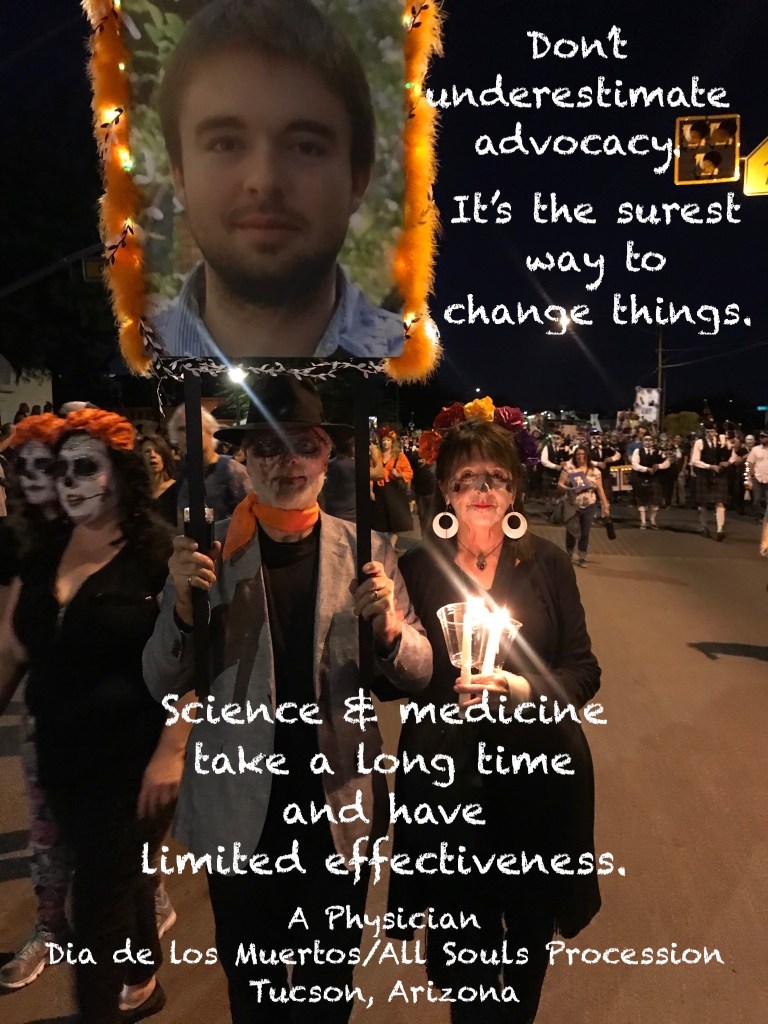
A few months ago, John was on a phone call with a physician who was asking his input about a new drug to help with opioid addiction. John shared about our son’s addiction and death and how we hoped that by speaking openly about his life and writing our book and blog we could help in some small way. His response was something I did not expect and will never forget. He said, “Don’t underestimate advocacy because it is the surest way to change things. Science and medicine take a long time and have limited effectiveness.”

An advocate is someone who works by speaking, acting, or writing truthfully on behalf of a person or group in order to promote, protect, and defend their welfare and to seek justice for their rights. To speak out for those who have no voice. But advocacy is not cheerleading. A cheerleader is someone who only supports their team or player – since they are in competition against another team. They are indiscriminate about what their team does or doesn’t do. They don’t necessarily look at the big picture or causes and effects. Their role is to simply cheer on their team or player and boost support from their fans with slogans that may or may not be true.

Serious problems that affect the wellbeing of individuals, communities, and entire societies, such as the Covid-19 pandemic, addictions, and racial prejudice and inequality, are not helped by cheerleading. People in danger and suffering need advocates who have compassion, who are truth-tellers, and who will vigorously and untiringly work for a solution.

When I see a young person on the streets, homeless and struggling, enslaved to a substance that is stealing their life – or anyone living with addiction of any sort – I long to be helpful in a meaningful way and become discouraged at my inability to do so. And if I feel discouraged, how must they feel? What will help bring real, substantive change and hope to these lives and in these circumstances?

As parents of a son with a deadly addiction, we were sometimes cheerleaders when we needed to be advocates. Cheering him on and telling him he could do it without any medical help was not being realistic or being the advocates he needed. I think it is difficult to be an effective advocate for those we love because we are too close to have a clear perspective. Which is why a supportive recovery community – for both the family and the one struggling – is vital. We must try and use whatever resources we have: our voice for those who are not being heard, our writing to bring clarity to public thinking, our physical presence to stand or march with others, and our time, energy, and finances to step in where we can or offer help to find those resources.

There are as many ways to be an advocate as there are needs in this world. I have friends involved in racial justice, in refugee struggles, in stopping sexual exploitation and abuse, homelessness and poverty – the list is endless. The question is: How can each one of us be an advocate for the people and needs we are aware of and that we have a passion for?

Isolation Loneliness

It has been said thatthe opposite of addiction is not sobriety, it is connection – to others, to a community.The Coronavirus pandemic has brought disconnection and magnified loneliness and stress for people the world over due to social isolation, economic instability, reduced access to spiritual communities, and overall national anxiety and fear of the future. “We certainly have data from years of multiple studies showing that social isolation and social stress plays a significant role in relapse…relapsing to drug use can play a role in overdose.” Dr. Wilson Compton, deputy director NIDA.

The acronym HALT: Hungry, Angry, Lonely, Tired, is used in Alcoholics Anonymous and most recovery programs. It is a simple reminder that when our basic human needs are not met, one is susceptible to toxic thoughts and self-destructive behaviors including relapse and suicide.

Regardless of where you live, there have likely been restrictions imposed to limit the number of people who can gather together – from dozens in some countries to only the members of your immediate household in others – in order to slow down the high-speed train that is Covid-19. For many of us, we have been able to maintain our emotional equilibrium because we know this is for a limited time and we can look forward with hope to the future.

But what about those vulnerable members of society who already struggle on a daily basis with insecure housing and food supplies and to maintain their mental health, sobriety, or recovery? In the midst of one of the most isolating crises the modern world has known, it is no surprise then that cities across America, and around the world, are reporting dramatic increases in drug overdoses, alcohol relapses, and suicides.

In-person community meetings are at the foundation of recovery programs. And no wonder. It is in community where individuals become part of something greater than themselves. And I believe it is in the breakdown of communal life in individualistic American ideology that has, to a great degree, contributed to the anxiety, insecurity, and depression that so characterizes our national psyche and has led to the pursuit of finding relief in so many unhealthy ways.

A friend of our son who is an alcoholic who has been working his recovery for the past 8 years, put it this way: 

“Self-isolation breeds relapse for people in recovery. With quarantine, people are losing the accountability they have relied on from in-person meetings and it’s a lot easier for people to further isolate and close off their emotions. Attending virtual meetings keeps me grounded and gets the message across as much as regular in-person meetings but lacks the fellowship aspect. This will no doubt expose many in recovery to loneliness.”

Even though increasing numbers of people around the world are vaccinated, it will not stop some of the isolation and loneliness. Is there anything those of us who are not isolated emotionally can do to help? The one thing my husband and I have made as a priority in our weekly schedule is to check in with friends around the world via texts, emails, letters, phone or video calls – including our young friends who are in recovery and elderly friends who just need to know they are not forgotten. With our social networks and finances, we can support organizations that are working the front lines to serve the addiction/mental health population. We can make or purchase masks, buy food and basic supplies, to give to those in need and support recovery programs in our area.

The Tattoo – Stigma

(Translation into most languages at tab to right.)

In the Greek and Roman worlds, a stigma was a tattoo or brand, especially for a slave, identifying the person as “inferior.” As stigma moved into English, it referred to a mark you couldn’t actually see but which was nonetheless powerful. Social stigmas are based on perceivable characteristics, associated with certain behaviors that distinguish a person from other members of society. They convey disapproval and disgrace. Dis-approval. Non-approval. Dis-grace. Non-grace.

In an article on The Stigma of Addiction from Hazelden Recovery we learn: “The stigma of addiction stems from behavioral symptoms of substance use disorder…which can result in negative consequences including legal, occupational and relationship problems. Understandably, these consequences cause embarrassment and shame among those affected. They also create stigmatized attitudes and perceptions among the wider public, a response that perpetuates and exacerbates the private shame associated with drug addiction. For generations, this combination of personal shame and public stigma has produced tremendous obstacles to addressing the problem of alcoholism and addiction. Today, the stigma of addiction is seen as a primary barrier to effective addiction prevention, treatment and recovery efforts at the individual, family, societal levels. Addiction stigma prevents too many people from getting the help they need.” Yes, only one in 10 people struggling with addiction receive treatment. The article goes on to discuss the irony that many of these stigmatizing behaviors diminish and/or disappear when a person is appropriately treated in recovery.

When talking recently with some of our son’s friends, they have been unwilling to let their past drug use become public knowledge because of the potential negative repercussions they justifiably fear in their careers and relationships. How much worse would it be if they were still living with addiction? What does this say about us as individuals, communities, employers, and society in general? When an individual is seen as having a moral failure instead of a chronic health condition, stigma is the logical result. But no one makes the decision about how their brain will react to a substance and whether they will become addicted after minimal use or hate how it makes them feel and never use it again.

Negative labels stick like glue to our hearts and soul and, for those struggling with addiction and alcoholism, the personal shame becomes how they define themselves. The public stigma that follows is the tattoo they never asked to have. If we can reject stigmatizing and instead provide a safe and listening ear to those struggling with addiction, inviting them to share their stories and encourage them to consider recovery options, they may be willing to join the many people who do learn to manage their disease and successfully recover. Let’s remember that they are just as valuable and able and worthy of love – and as human – as you and me.

https://www.hazeldenbettyford.org/recovery-advocacy/stigma-of-addiction

Recovery Communities

(Translation into most languages at tab to the right)

What is a recovery community and what should it look like?

The answer to these questions is not simple – real solutions to real problems rarely are.

To recover means to return to a normal state of health or strength. When someone is injured in an accident or undergone surgery, they usually recover in hospital for a period of time where they can receive the special medical care that is required to keep them alive. If the injury or illness was severe or life-threatening, after hospitalization they would be moved to a rehabilitation facility where they receive appropriate and specialized care and therapy as they convalesce – they wouldn’t just go home. Convalescing is the recovery process of returning to health.

Recovery can also refer to the process of regaining possession or control of something lost or stolen. In a real sense, those who have become addicted to a substance or damaging behavior have had something stolen. That’s not a cop-out if we consider what happens to a person’s brain when addiction takes over. The chemical changes that take place in the brain steadily decrease the individual’s original ability to think clearly and make logical choices. Especially with substances, I consider that capacity to have been stolen.

Continue reading “Recovery Communities”
Malcolm Guite

Blog for poet and singer-songwriter Malcolm Guite

The Gift of Need

How Need Can Strengthen Individuals and Communities

Memoirs and Musings

David Bradley Such

Dave Barnhart

Church planter, pastor, author, coach

RecoveryLife101

Just another WordPress.com site

Abbie In Wondrland

life...on Gods' terms.

Living In Graceland

"..learn the unforced rhythms of grace" matt 11:28

Janaburson's Blog

All about opioid addiction and its treatment with medication

Breaking In News Network

Seeking the truth and bypassing the MSM

Junkbox Diaries

Trauma, PTSD, Mental Health, Addiction, and Recovery

Ohio Society of Addiction Medicine

The Ohio Society of Addiction Medicine is a chapter of ASAM - A professional society actively seeking to define and expand the field of addiction medicine.

traceyh415

Addiction, Recovery, Loss, Grief

WordPress.com News

The latest news on WordPress.com and the WordPress community.