Not the Time to Rest on Our Laurels

(Translation into most languages a tab to the right.)

Resting on your laurels is as dangerous as resting when you are walking in the snow. You doze off and die in your sleep.

― Ludwig Wittgenstein, Culture and Value

In ancient Greece, when athletes competed and won, they were given a laurel wreath as a crown to show off their success. The idiom “resting on one’s laurels” refers to being content with our past accomplishments and not working towards any further improvement. Not exerting any effort and becoming complacent. 

         I am concerned that we might become complacent after hearing the recent encouraging news from the CDC that drug-related deaths among young people under the age of 35 are finally declining. This after more than two decades of year after year grim news about young people dying from opioid overdoses. And especially from the last 10 years from fentanyl. “Provisional data from the CDC’s National Center for Health Statistics indicate there were an estimated 80,391 drug overdose deaths in the United States during 2024—a decrease of 26.9% from the 110,037 deaths estimated in 2023.Annual drug overdose deaths are projected to reach their lowest level since 2019.” (1)

         NPR’s Morning Edition discussed the possible reasons for this decline. (2) In Gen Z young people, the fear of overdose has caused a change in what they experiment with as opposed to Millennials like my son. When he was at the age of experimentation in middle school, highly addictive prescription opioids were the drug of choice. Now, Gen Z experimentation is mostly with weed and psychoactive drugs which normally won’t cause death, although they can be laced with fentanyl which may lead to a new and more deadly addiction. But those age 35 and older who are still living desperate lives addicted to ever-stronger synthetic opioids and/or meth are still dying from overdoses.

         And then there is Narcan, the opioid overdose reversal medication that is now widely available and is attributed with saving thousands of lives. Parents and advocates have been working for a decade to make it easy to obtain and administer. But it is not the silver bullet many people hail it as. For opioid addicted people, many have been brought back from overdose only to continue using drugs and thinking they have a quick solution to their long-term problem. But repeated overdoses are causing serious brain injuries from oxygen deprivation, as Sam Quinones writes (3).

Author of Dreamland: True Tales of America’s Opiate Epidemic (2015) and The Least of Us: True Tales of America and Hope in the Time of Fentanyl and Meth (2022), Sam says, “By leaving people on the street to suffer more overdoses, believing that with Narcan they’ll be revived and return to ‘normal,’ we are creating a population of people less able to make rational decisions, more given to erratic behavior, and more at the mercy of the street and its trauma…(Narcan) has great benefits, but also serious limits, particularly in a time of fentanyl and meth, and particularly when it is used virtually without any other tool.”

What’s the answer to this blight that was unleashed on our young people?

Sam continues, “After reporting on this for more than a decade, I believe the solution must start with getting people off those lethal streets and — crucially — into places they cannot leave when the drugs insist that they must. That way, their brains will have a fighting chance to heal. When that happens, readiness for treatment is far more likely to emerge than it will on those streets, where drugs and brain injury so easily conspire and lead to death.” 

         I encourage you to read Sam’s article for other great insights and pass it along to others. We need to be informed with a perspective gained from all the facts and then work for comprehensive reforms in policies and health care.

  1. U.S. Overdose Deaths Decrease Almost 27% in 2024. May 14, 2025

https://www.cdc.gov/nchs/pressroom/nchs_press_releases/2025/20250514.htm

2. Drug deaths plummet among young Americans as fentanyl carnage eases.

Morning Edition June 10, 2025

3. Sam Quinones. The Limits of Narcan Alone. June 04, 2025.

https://samquinones.substack.com/p/the-limits-of-narcan-alone
The Importance of Friends – Pt 2

(Translation into most languages at tab to the right.)

How do clean and sober friends stay involved with a friend who is in active addiction and/or alcoholism? I ended last month’s blog asking this question. In particular, I want to discuss ways that teens and young adults can deal with this difficult and at times very frustrating problem.

What does being a good friend to someone who is addicted look like? 

The first thing is to not pretend you don’t know about their addiction. Talk about it openly but without judgment. Understand that they may deny any problem, so you may have to cite specifics that have made you concerned. Express that you care about them and don’t think less of them as a person because of their struggles. Risk your comfort zone. “Greater love has no one than this: to lay down your life for your friends.” (1)

Be a good listener. A problem with drugs or alcohol may start from just experimenting with drugs at a party or concert. It may then turn into addiction and be fueled by problems at home or with friends or underlying mental health issues. When your friend feels cared for and accepted and not confronted with more guilt or shame, they will be willing to open up. Nobody planned to become addicted and nobody wants to be an addict. Here’s links to good info on how to help someone trapped in addiction. (2,3)

But, if you remain a good friend to someone who is living a self-destructive life, how do you help them without enabling their addiction? For young people who are good friends, enabling might be keeping secrets for them about their problem, especially from adults who may need to know in order to take life-saving action. It may be loaning them money or driving them to get drugs. The pressure would sound something like: “If you’re my real friend, you won’t tell…”  Or “If you really want to help me you would…” Basically, when you support their problematic behavior in the name of ‘helping’ them, you are actually keeping them from living with the consequences of their poor choices. And this will only prolong their problems and delay change. (4) 

Encourage them to get help through programs like SMART Recovery groups or AA for alcohol and NA for narcotics. Very few people overcome addictive behaviors alone. Community is key. Go with them if you can or drive them. And remember, drug and alcohol recovery take lots of time and most people don’t succeed the first time they try to quit. Dr. John F. Kelly, clinical psychologist and addiction medicine expert, says it can take 8 years and 4-5 treatment attempts at recovery to achieve one year of sobriety from opioid and other drug addiction. It can take years to achieve stable recovery and Medication Assisted Treatment (MAT) is an important aspect. Gone are the times when a 30-day detox/treatment was seen as the solution to addiction. It may be an important first step in the process of ongoing recovery. People can and do recover, but it will likely be a lifetime journey. Here’s a YouTube 2025 video of Dr. Kelly giving a session on: The New Science on Addiction Recovery. (5)

You can encourage your friend with each small step and success, even through relapses. In our son’s recovery program, we ended each session by saying together: “Keep coming back ‘cause it works if you work it.” It takes hard work and it can be very discouraging for your friend to relapse because your friend wants to be free. No one wants to live controlled by addiction. No one. Encouragement to stick with it is vital.

If your friend or family member is using opioids, you should get naloxone (a medicine that can temporarily reverse the effects of an opioid overdose) and keep it handy. Available through local community-based programs or pharmacies.  

It’s worth saying again: Friends are SO important for people in active addiction.

Don’t ever give up on your friends trapped in addiction. They need friends more than ever, friends who love them and will invest in their lives and let them know they are a worthwhile human – while you also need to encourage them to seek help in order to become sober and stable. And to remind them by example of what a normal and joy-filled life is like and one that they too can have. 

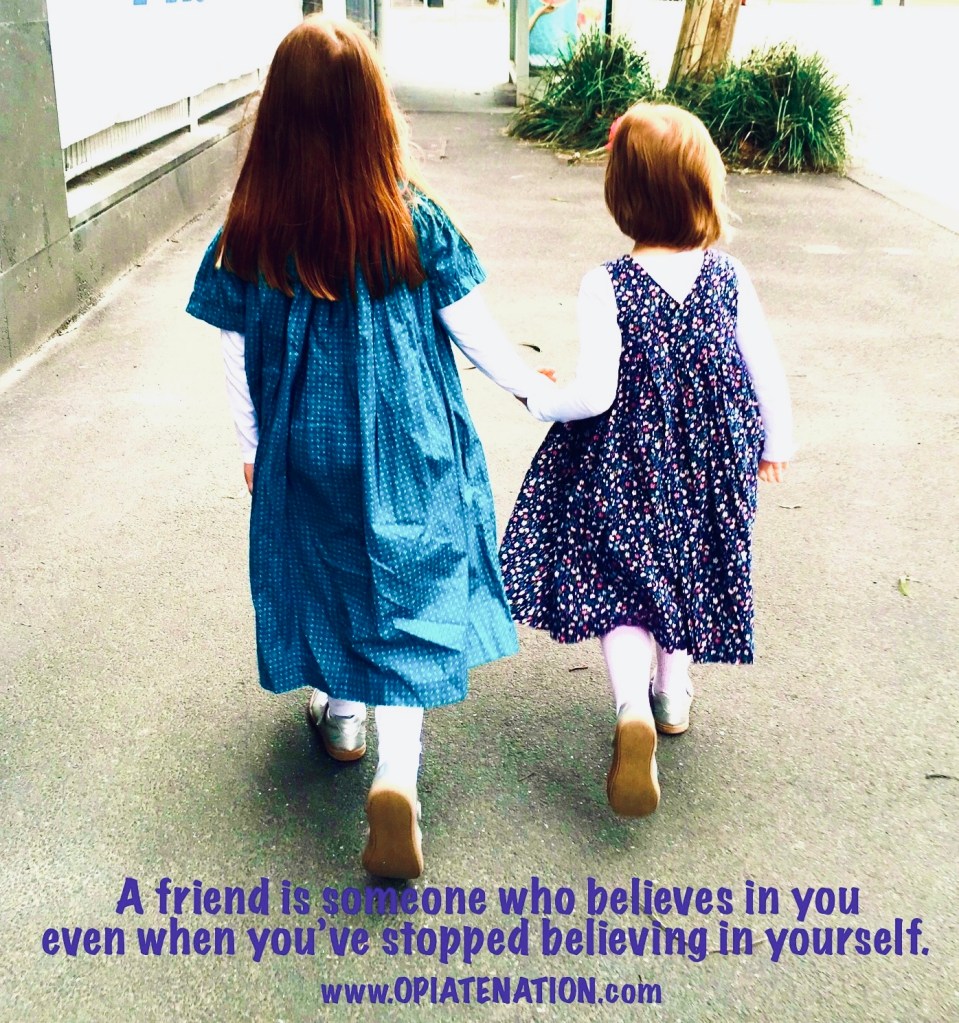
A best friend is someone who believes in you 

even when you’ve stopped believing in yourself.

– Unknown

  1. John 15:13, New Testament 
  2. Helping Someone with a Drug Addiction

https://www.helpguide.org/mental-health/addiction/helping-someone-with-drug-addiction

  • How to help someone who is misusing drugs or alcohol:

https://www.healthdirect.gov.au/help-someone-who-is-misusing-drugs-or-alcohol#:~:text=Celebrate%20small%20successes%20and%20try,Narcotics%20Anonymous%20and%20SMART%20Recovery.

  • Four Signs of Enabling and How to Stop

https://health.clevelandclinic.org/enabling

  • Dr. John F. Kelly, Ph.D. The New Science on Addiction Recovery (lecture)

International Overdose Awareness Day – August 31, 2023

(Translation into most languages at tab to the right)

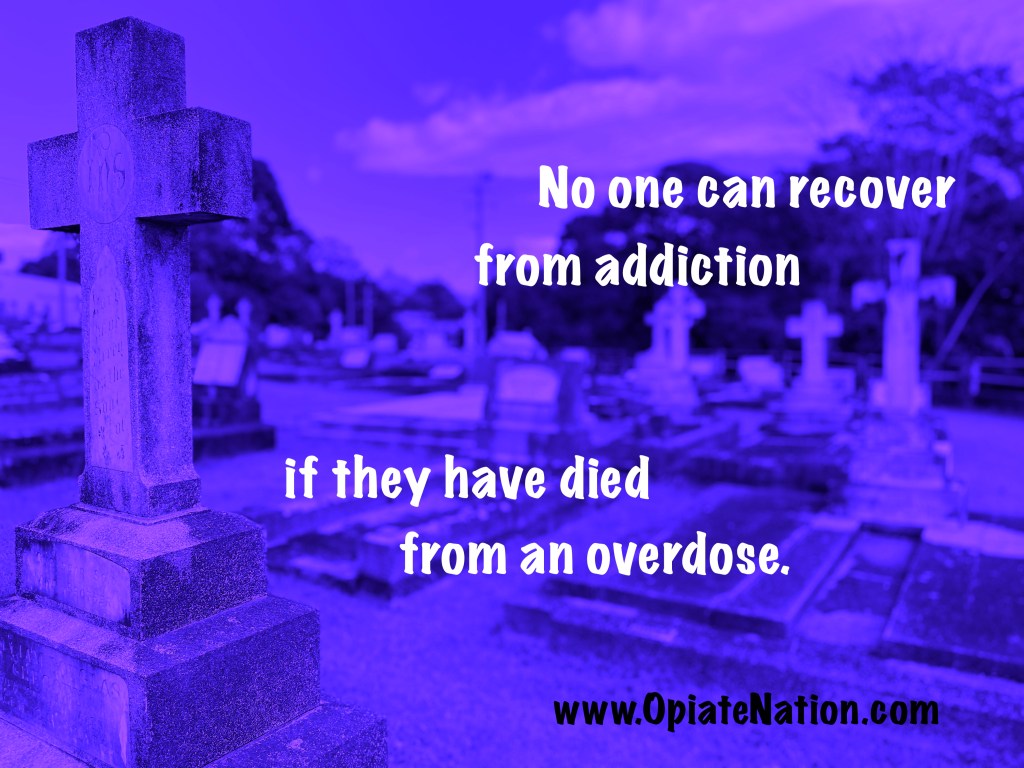
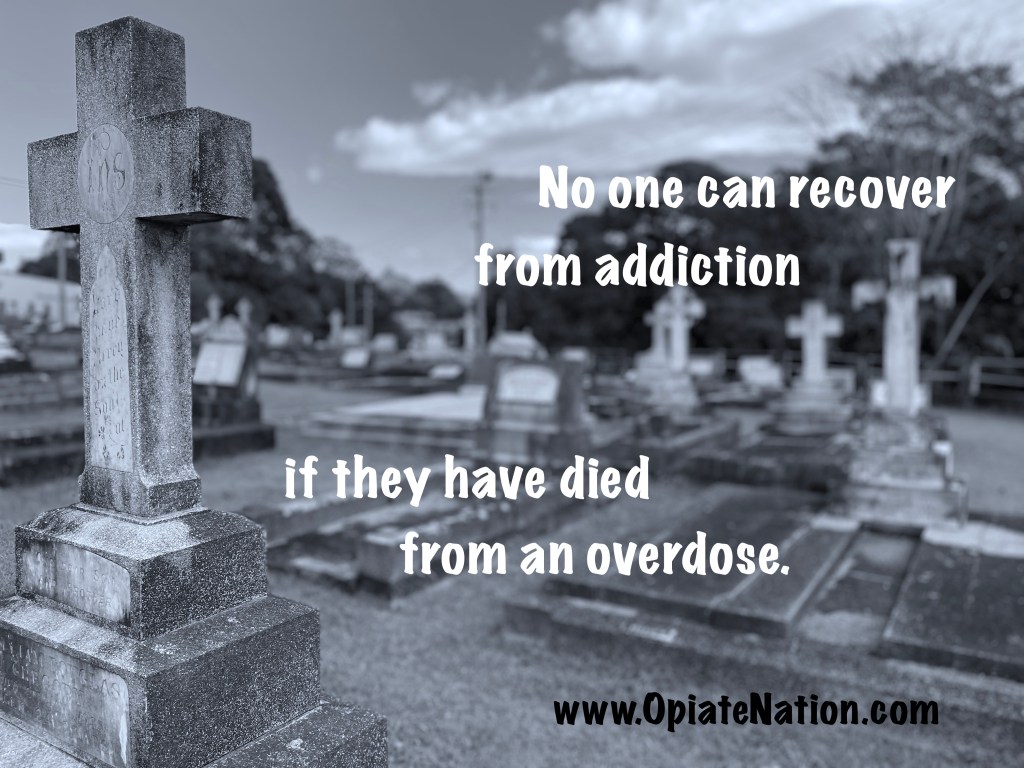
No one can recover from addiction if they have died from an overdose.

International Overdose Awareness Day (IOAD) is the world’s largest annual campaign to end overdose. It is a day to raise awareness about the risks of overdose, honor the individuals whose lives have been lost, and acknowledge the grief felt by families, friends, and the community

With synthetic drugs made from chemicals in China and added into illicit drugs around the world, the need has never been more urgent to alert us all to the risk of overdose facing millions of people worldwide. What can we do to help prevent further loss of lives for those already struggling with addiction?

Prof. Dan Lubman (Australia) shared a thought that stuck in my mind because it brought up memories of conversations I had with my son while he was addicted. Instead of asking, “Why are you taking drugs?” A more engaging question would be, “What put you in this vulnerable position?”

This question shows the understanding that addiction is not just a matter of choice or will-power but that it is a complex problem that will not be helped with simplistic answers such as “Just Say No.” When a person feels less stigma, that they are not being judged, and that there is hope for them, they are increasingly likely to consider treatment.

So, what does put people into the vulnerable position where drugs/alcohol are helping them cope with life? The 5 main factors that contribute to addiction are:
genetics, mental illness, home and social environment, stress, trauma/abuse.

We can’t do anything about our genes although if you know there is alcoholism/addiction in your family tree there is need for extra awareness and precautions. Mental illness once recognized and diagnosed properly, can be treated with therapy, education, and medication. Home and social environments, stress, and trauma and abuse are absolutely within parents, extended family, and society’s control. This is where raising our children as “a village” is so important, but it is in peril with our upwardly-mobile lifestyles of frequently moving house, not enough time together, and not engaging with our community. Educating our families and involvement in healthy and safe support networks such as service organizations and faith and school communities are a good place to start.

Once someone is using substances to self-medicate, what can we do? First, we need to look for, and reach out to, people struggling with addiction. There may be some in your circle of friends – even in affluent communities. If we truly understand that those individuals will shrivel in shame from stigma, we can start by changing how we speak about them and to them – we’ve changed our language for things a lot less deadly. Building trust over time is critical to someone feeling they can openly discuss their problems. We can find out more about what is being done in our community to support recovery efforts and get involved with clean needle exchanges, Narcan training and distribution, opioid substitution therapy, food distribution, safe injection and health facilities, etc.

In a report from Norway discussing housing for people who are addicted, Jon Storaas, manager of RIO, an organization in Norway working to help substance abusers, said, “We need to provide residences to ensure that addicts can live with neighbors who don’t share their drug problems…meet with them, talk about their problems…this kind of experience and openness can strip people of their ordinary prejudices. You need to create these encounters so people can see that drug addicts are human, too. Extreme examples of ordinary people, you might say. But ordinary nevertheless.” (1)

In 2018 Time reported that in the 1990’s, Portugal was in the grip of heroin addiction. An estimated 1% of the population—bankers, students, socialites—were hooked on heroin and Portugal had the highest rate of HIV infection in the entire EU. But in 2001, Portugal took a radical step. It became the first country in the world to decriminalize the consumption of all drugs… while drug dealers still go to prison.

The results? The drug-induced death rate has plummeted to five times lower than the EU average and stands at one-fiftieth of the United States’. Its rate of HIV infection has dropped dramatically. Drug use has declined overall among 15-24 yr-olds, those most at risk of initiating drug use. And, by eliminating the threat of criminal penalties—and along with it, a great deal of stigma—it has become easier for people to seek treatment.

“What America and other countries can learn from Portugal is to treat people with more dignity.” Portugal has showed that, without spending significant sums, governments can give drug users the tools to put their lives back on track. But to do so, it will have to stop treating them like criminals. (2)

Ultimately, what IOAD is about, what this blog is about, is Awareness: Becoming aware of a problem is the first step towards solving that problem. For this August 31st, I want to remember all those who have died from drug or alcohol overdose, my son included. Remember that they were precious individuals who were loved by their parents, family, friends and God. And although we live in a world where death is something that happens to every person who is born, premature and preventable death is a tragedy that each and every one of us should work diligently to prevent. Let’s find our arena and fight for the lives of those we love.

No one can recover from addiction if they have died from an overdose.

(1)

Addicts Want Sober Neighbours by Georg Mathisen
Saturday 11. January 2014, Norway
https://sciencenorway.no/addiction-drug-rehab-drug-use/addicts-want-sober-neighbours/1395274

(2)

WANT TO WIN THE WAR ON DRUGS? PORTUGAL MIGHT HAVE THE ANSWER By Naina Bajekal | Photos by Gonçalo Fonseca – August 1, 2018
https://time.com/longform/portugal-drug-use-decriminalization/

Slavery or Freedom?

(Translation into most languages at tab to the right)

I’ve been thinking about slavery and the people throughout the millennia who have been slaves – and the estimated 50 million people worldwide who are currently enslaved. (1) Every empire from the beginning of recorded history has functioned and prospered on the backs of slaves: people captured during war or kidnapped, enslaved against their will.

In the modern world, people can end up in ‘slavery’ in a variety of ways: economic, sexual, labor, etc. They may have been enticed or tricked into their captivity by promises of adventure or money, coerced or blackmailed because of a past circumstance, or forced into it due to poverty and debt.

How does it feel to be enslaved? Much of the time, it destroys one’s sense of personhood. Your ability to exercise your will and make choices has been stolen from you. Control and exploitation by another person or entity has robbed you of your dignity and ability to determine the direction of your life. It can feel like being on endless stairways that lead nowhere.

One thing is certain: no one ever consciously chooses to be enslaved. No one. But the many lures currently dangling in front of young people to have fun and feel free and to be in control of their own life and happiness can be so deceptive. Yet they are not mature enough to be capable of discerning that they are actually making a choice to become imprisoned – whether it is with alcohol, drugs, promiscuity, gambling, power, success, etc.

I think it is safe to say that anyone who has struggled with any type of addiction knows they are enslaved. They are in servitude to an all-consuming, dominating, master. Their world is restricted due to the demands their addiction places on them. I saw this play out in pitiful detail in our son’s long struggle with heroin and alcohol. I didn’t understand why he would want to cut a trip short or not go at all if we were flying. It was due to needing to use and/or maintain a supply of illegal drugs. As he became unable to focus on his university classes, he had to drop out and work at jobs frustratingly inconsistent with his interests and well below his God-given abilities.

He was not free in any sense of the word.

What is real freedom? Is it to be ‘a free agent’ able to do whatever one wants regardless of society or others’ thoughts or needs? To not be responsible to anyone? To chant the modern mantra that individual freedom is our right and supersedes all other claims? Or is it something more, something that starts in our mind and soul and that results in the ability to make good choices in order to be healthy and safe and productive and of service to others? Webster’s Dictionary describes freedom as “the absence of necessity, coercion, or constraint in choice or action; liberation from slavery.” Liberty is not the power of doing what we like, but the right to do what we ought. (John Dalberg-Acton)

Once someone is addicted, how can they escape the slavery of addiction? We need reformers and abolitionists who know specifics of ‘the slave trade’ and how to liberate individuals. And also, how to reform not only the laws and principles of society but how we think about addiction in order to accurately view those who are enslaved. In the past, in whatever culture slavery was embraced, the way a society could justify its policies was to consider those people as ‘less than’ – less than human, less than worthy of normal rights, even less than deserving of wanting another way of living. And even further, that these slaves should be content with their bondage.

I love this song by Kim Hill, She’ll Come Around. It speaks to this point.

https://www.youtube.com/watch?v=uwf6rQnqkXQ

We all know that is not true because if we put ourselves in their place for a moment – walk a mile in their shoes – we would do anything to be free. But do we all understand and admit that most people who are living in addiction, if given a choice and a viable option, would choose to be free? If so, let’s get rid of denigrating thoughts and words and help change public policies to teach preventative measures to parents and young people and provide restorative solutions to those fighting addiction. (2) And may each of us encourage those who struggle by helping them find real, lasting solutions to the weight of bondage they stagger under.

Our freedom can be measured by the number of things we can walk away from.
Vernon Howard

  1. https://www.antislavery.org/slavery-today/modern-slavery/
  2. https://www.washingtonpost.com/health/2023/02/05/drug-deaths-prevention/

Mark Heard’s Victims of the Age is a song all about what young people have been and continue to be struggling with growing up in the modern world.

Addiction Constriction

John Leif Trang – March 10, 1989 – August 2, 2014

(Translation into most languages at tab on right)

On March 10th, our son would have been celebrating his 33rd birthday. That day is now a painful reminder of all the potentials and possibilities that a young person should be experiencing in the 4th decade of their life.

After JL died of a heroin overdose in 2014, I began the dreaded process of sorting through his belongings – which included his computer and phone. Many of the photos on his phone I had never seen and some have now become permanently seared into my visual memory. One is of JL with a Boa wrapped around his shoulders and neck.

Boas are constrictors. Constrictors don’t chase their prey. They are ambush hunters. A boa grabs its prey with its teeth, then quickly coils its body around the prey and squeezes. It doesn’t break the bones – it constricts so tightly that its prey can’t breathe. With each exhale, it tightens its coils until its prey dies slowly from an overwhelmed circulatory system due to blood not getting to the brain. Once dead, the snake swallows its prey whole.

Continue reading “Addiction Constriction”

Recovery Communities

(Translation into most languages at tab to the right)

What is a recovery community and what should it look like?

The answer to these questions is not simple – real solutions to real problems rarely are.

To recover means to return to a normal state of health or strength. When someone is injured in an accident or undergone surgery, they usually recover in hospital for a period of time where they can receive the special medical care that is required to keep them alive. If the injury or illness was severe or life-threatening, after hospitalization they would be moved to a rehabilitation facility where they receive appropriate and specialized care and therapy as they convalesce – they wouldn’t just go home. Convalescing is the recovery process of returning to health.

Recovery can also refer to the process of regaining possession or control of something lost or stolen. In a real sense, those who have become addicted to a substance or damaging behavior have had something stolen. That’s not a cop-out if we consider what happens to a person’s brain when addiction takes over. The chemical changes that take place in the brain steadily decrease the individual’s original ability to think clearly and make logical choices. Especially with substances, I consider that capacity to have been stolen.

Continue reading “Recovery Communities”

Reaction Recovery

Translation into most languages at tab to the right.

A few weeks ago, John and I were interviewed by Jeff Simone for his Surviving the Opioid Epidemic podcast (see YouTube link). We had a really great conversation about our family living with a teenage son with opioid addiction and how his death from overdose affected us and changed our lives. Jeff serves the addiction community with a coaching service called Reaction Recovery.

https://reactionrecovery.com

Here are some insights into his recovery approach.

Reaction Recovery is a private coaching service designed to help individuals thrive in their life of recovery from substance use disorders. It is a one to one, intensive behavioral approach to help individuals identify areas to make focused and intentional lifestyle modifications. Dr. Simone has been formally trained in clinical pharmaceutical and dietary supplementation advisory and management. He has earned degrees in nutrition, physiology, is a certified life coach, and has personally worked with over 200 people recovering from substance addictions.

Why ‘Reaction’ Recovery? Who is reacting and to what?

Reaction Recovery was started as a “reaction” to the current treatment approach to addiction. The medical community is doing a good job offering short-term acute care crisis management for addictive disorders, but are doing poorly offering long-term treatment for those who have become abstinent but not yet stabilized. This describes our son’s – and most others we know – situation perfectly. Addiction needs long-term care and support.

The basic coaching approach addresses the physiology of the addiction, post-acute withdrawal syndromes, nutritional interventions, dietary supplementation, and how this all can safely integrate with other pharmaceutical treatment strategies that might already be on board.

Based on what Dr. Simone has called the ’12 Daily Rules for Recovery,’ their coaching techniques will systematically and methodically help the individual identify specific areas to be adjusted and then develop individually tailored strategies to affect real change.

The 12 Rules focus on building up a support community – first and foremost – then developing a healthy and consistent morning routine, understanding the importance of full-day nutrition, ensuring the body is receiving all nutrients necessary to support a strong and optimal brain and body, establishing a safe and appropriate dietary supplement regimen, expanding the mind with helpful books and information, developing a realistic exercise routine, carefully auditing the external distractions in our lives, constructing a regular nighttime routine, and more.

When these considerations get repeated across thousands of iterations, and with a little guidance and accountability, they become a foundation upon which the rest of the individual’s recovery will be built. Eventually – through ruthless repetition – new neural pathways begin to form until eventually this life of abstinence doesn’t feel so difficult and a sustainable, meaningful recovery is able to take shape.

Jeff’s approach of community as essential and creating new, healthy habits to replace old, destructive ones has been the topic of several of my blogs (see below). Whatever habits we create will become automatic and will serve us and our life-goals well as we go through each day.  

2021 Aug 15, Connection is Crucial

2021 March 28, The Freedom of Habits

2021 Jan 03, Who is My Neighbor?

2020 Dec 27, Missing Community

2020 Aug 15 & 22, Loneliness

2021 International Overdose Awareness Day August 31

Translation into most languages at tab to the right.

The need has never been more urgent to alert us all to the risk of overdose facing millions of people worldwide. During the 18 months of the Covid-19 pandemic, overdose deaths have risen approximately 30% in many parts of the world due to isolation, unstable drug sources, and lack of reliable medical and recovery help. Even the normal inadequate support services have been seriously disrupted and diverted. And the hope of C19 disappearing sometime soon is now seen as wishful thinking – it is a new deadly virus we will have to learn how to live with.

So, what can we do to help prevent further loss of lives for those already struggling with addiction?

Continue reading “2021 International Overdose Awareness Day August 31”

Connection is Crucial

(Translation into most languages is available to the right.)

During a recent podcast on Straight from the Source (1), David Higham (founder of The Well, a peer-run alcohol and other drug service in the northwest of England) spoke about his life.

For more than 20 years, David was a habitual heroin user more accustomed to life in prison than the outside world. He joined a 12-step program during his final stint. Upon release, he found that sustained well-being and recovery was rare and he knew he had to help change that. What interested me most from his story was this insight:

“Drug treatment is trying to find a solution for my solution…But what’s the solution for my problem?”

Continue reading “Connection is Crucial”

Looking Back to See the Future

(Translation into most languages is available to the right.)

When I am doing research for an upcoming blog post, I can get lost. There is so much information now on drug addiction and the opioid epidemic that I suddenly look at the clock and realize I’ve been wandering virtually around the world and becoming more discouraged with each new article or report: Scotland has more drug overdose deaths per capita than any European country (1); Fentanyl is  flooding California with overdose deaths skyrocketing (2); the use of over-the-counter codeine (an opiate) cough medicine among eighth graders in the US has increased (3); and, Australia now has the eighth-highest per-capita opioid consumption in the world (4).

Continue reading “Looking Back to See the Future”
Malcolm Guite

Blog for poet and singer-songwriter Malcolm Guite

The Gift of Need

How Need Can Strengthen Individuals and Communities

Memoirs and Musings

David Bradley Such

Dave Barnhart

Church planter, pastor, author, coach

RecoveryLife101

Just another WordPress.com site

Abbie In Wondrland

life...on Gods' terms.

Living In Graceland

"..learn the unforced rhythms of grace" matt 11:28

Janaburson's Blog

All about opioid addiction and its treatment with medication

Breaking In News Network

Seeking the truth and bypassing the MSM

Junkbox Diaries

Trauma, PTSD, Mental Health, Addiction, and Recovery

Ohio Society of Addiction Medicine

The Ohio Society of Addiction Medicine is a chapter of ASAM - A professional society actively seeking to define and expand the field of addiction medicine.

traceyh415

Addiction, Recovery, Loss, Grief

WordPress.com News

The latest news on WordPress.com and the WordPress community.