(Seventh in a series of topical blogs based on chapter by chapter excerpts from Opiate Nation. Translation into most languages is available to the right.)
When public health is at risk, one can only wonder about the motives behind politicians’ decisions – our “public servants” as they used to be referred to – regardless of what they may say. But we don’t have to guess their motives because actions speak louder than words and the actions of the US Department of Justice (DOJ) this week regarding Purdue Pharma and the Sackler family are unconscionable. This deal is not justice for the victims and their families for this pervasive and criminal corporate greed.
(Fifth in a series of topical blogs based on chapter by chapter excerpts from Opiate Nation. Translation into most languages is available to the right.)
After many years of not having a dog, we decided to adopt one from our local shelter. We found a beautiful German-shepherd/wolf mix who was 18 months old. Bella was docile, sweet and quiet. The next day, as I headed out to the grocery store, I gave her a hug and saw her watch me through the window as I got into the car.
When I returned an hour later, I was met with a shock. I found her, panting rapidly and pacing nervously in our bedroom where our wooden shutters were open and had bite marks. She had tried to escape while I was gone. I had no idea why. I immediately called the shelter. “She is having separation anxiety: she needed to escape being left alone.” We found out that she had been with two families previously when she was dumped at the shelter because she continued to try to escape when she was left alone for hours on end. They gave us the name of a dog behaviorist and we started down the long road of helping Bella manage her fear when we had to leave her at home.
Children and adults can experience separation anxiety when someone they are attached to leaves them. They can have recurrent and excessive distress just anticipating being separated from loved ones and the anxiety can be so intense that it is hard to function in everyday life. Panic attacks and physical symptoms such as nausea and headaches can occur. For me and my husband, on the morning of our son’s death from overdose, standing over our son in that body bag we experienced the ultimate separation anxiety. The overriding emotion we felt was fear: fear of the unknown future we were facing. We couldn’t visualize how we would survive without our son as part of our lives and the future we thought we all had together. He had not only been an integral part of our lives for 25 years but he was literally a part of us–the combination of our DNA that formed him as a particular and unique human being. To say that it was like having part of you taken away doesn’t describe it. This was having our hearts torn out.
We would never embrace or kiss or stroke the cheek of our son again. We were facing an existential crisis, shaken to the core, questioning our reason for living. Regardless of our strong faith that had seen us through many other deaths in our families, this separation seemed incomprehensible and cruel. It was only by falling down on our faces and waiting for Mercy to gradually pick us up that we were able to survive this traumatic separation from our son and move forward again in life.
(Today begins a series of topical blogs based on excerpts from Opiate Nation, chapter by chapter, that will run for 28 weeks. Translation into most languages is available to the right.)
It’s a bit ironic that as I begin blogging through Opiate Nation we are in the midst of a pandemic. Ironic in several significant ways.
Opiate Nationwas written because of the opioid epidemic – which, in reality, is a pandemic. Every industrialized nation, and many emerging and third-world nations too, are dealing with the results from the ease of availability of opioids, whether natural and home-grown, or synthetic and imported. Or both, as is the case in America.
And like the Coronavirus pandemic that crept up on us so gradually that it’s deadliness caught us by surprise and mostly unprepared as nations, the opioid epidemic crept up on us too. In both cases, certain international players were unscrupulous for various reasons, causing delays in awareness when there might have been a chance for all of us to not be caught off balance.
The “inoculation” that should have happened, especially in the United States, by way of accurate scientific information disseminated by responsible leaders, didn’t happen. Instead, false information fueled by political agendas and financial motivation created a scenario that so crippled a timely public health response that, for many nations, it became too little too late.
It has been said that the opposite of addiction is not sobriety, it is connection – to others, to a community. The Coronavirus pandemic has brought disconnection and magnified loneliness and stress for people the world over due to social isolation, economic instability, reduced access to spiritual communities, and overall national anxiety and fear of the future. “We certainly have data from years of multiple studies showing that social isolation and social stress plays a significant role in relapse…and relapsing to drug use can play a role in overdose.” Dr. Wilson Compton, deputy director NIDA.
The acronym HALT: Hungry, Angry, Lonely, Tired, is used in Alcoholics Anonymous and most recovery programs. It is a simple reminder that when our basic human needs are not met, one is susceptible to toxic thoughts and self-destructive behaviors including relapse and suicide.
Lament for a Son is an intensely personal tribute by Nicholas Wolterstorff to his 25-yr-old son who died in a climbing accident. It is eloquent and unforgettable as he gives voice to a grief that is both unique and universal: the tortured pain of losing an individual, a child, your child.
We lost our 25-yr-old son to a heroin overdose six years ago on August 2, 2014. Lament for a Son has been one of our go-to books since that time. Wolterstorff expresses the incomprehension and sense of unfairness that, I believe, parents worldwide feel when they lose a child – someone who is supposed to bury you, not the other way around. It doesn’t fit with the cycle of life we expect – it is jarring, unsettling, bewildering, frustrating, disquieting.
In the Preface he relates:
A friend told me he gave a copy of Lament to all of his children. “Why?” I asked. “Because it’s a love song,” he said. That took me aback. But, Yes, it is a love-song. Every lament is a love song. Will love-songs one day no longer be laments?
Yet, while the book expresses the common feelings brought on by sudden unexpected death, what he doesn’t share with those of us who have lost a child to drug/alcohol addiction are the previous long years, sometimes decades, of turmoil, anxiety, fear, and depression that we experience on top of all the normal grief.
And shame.
There is no glory in being the parent of someone who is an addict or alcoholic.
“Drug Overdoses Soaring: Suspected overdoses nationally jumped 18% in March, 29% in April, 42% in May, data from ambulance teams, hospitals, and police shows.”
As a young man in America who wanted more than anything to be free of his deadly heroin addiction, how would he be weathering the Covid-19 pandemic?
“The drug-overdose-and-death epidemic already was hurting communities before COVID-19, but during the pandemic there have been reports from every region of the country on spikes in opioid-related calls to first responders, visits to emergency rooms, fentanyl and tainted-drug-related overdoses. There also have been challenges to accessing sterile needle and syringe and exchange services.”
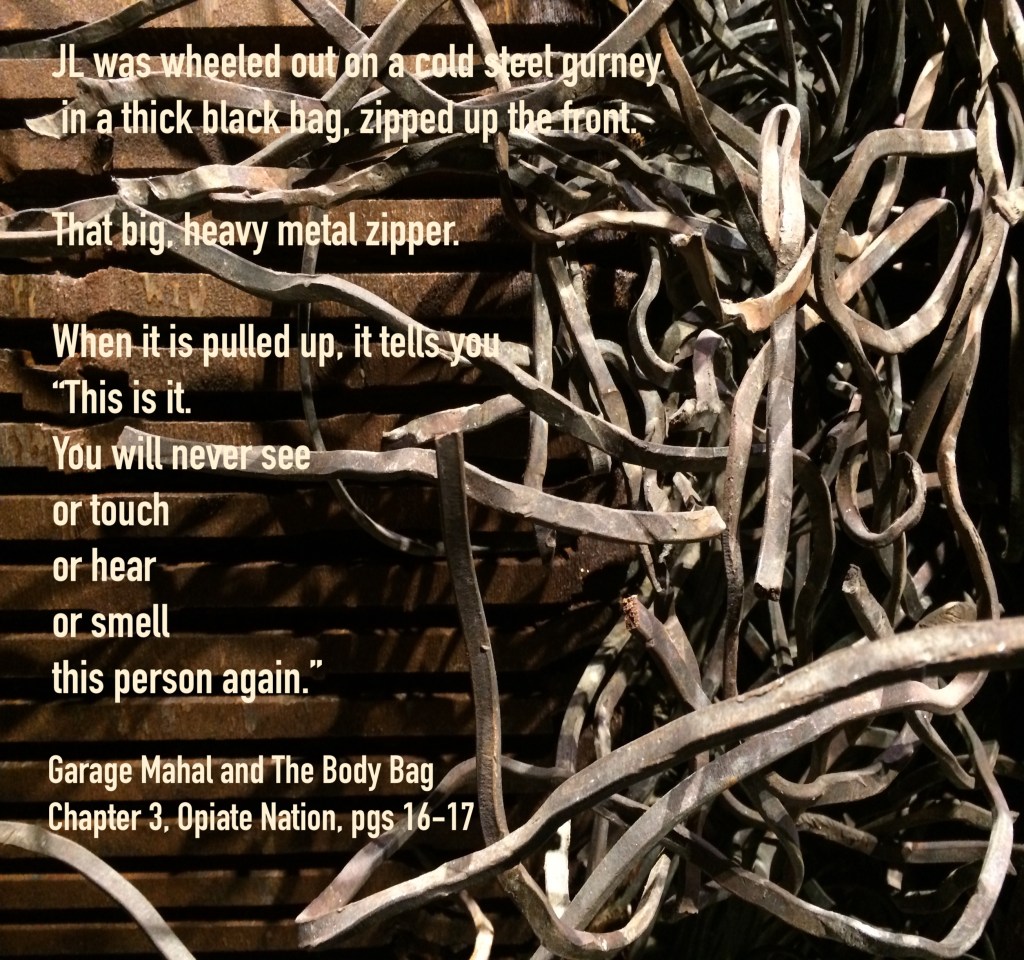
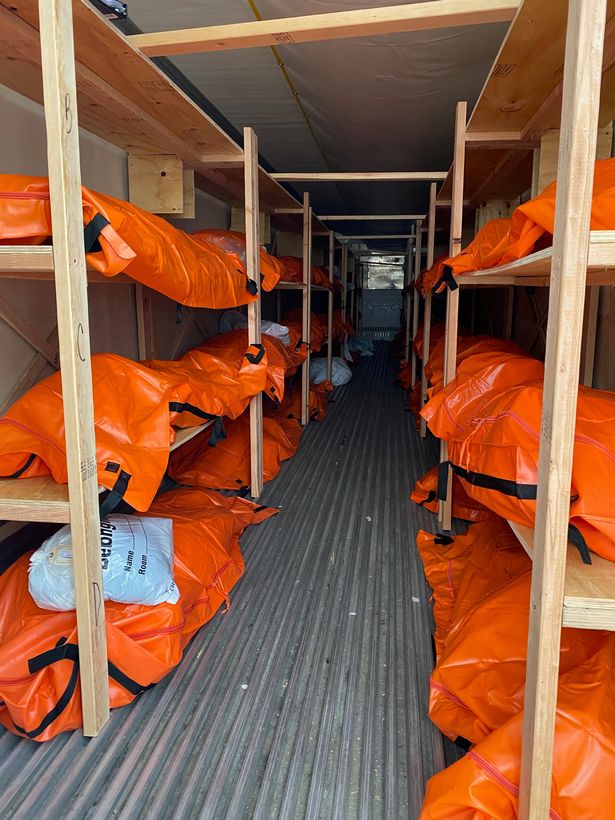
During the first few years of writing Opiate Nation, the working title was Saying Goodbye Through a Body Bag. As I got closer to publication, friends suggested I look for another title, saying it was off-putting and gave a depressing visual image. It took me a while to adjust to the idea of another title because it was the experience of doing just that – saying goodbye to my son through a thick black body bag in the hot August sun – that pushed me through my grief and on to writing about what my husband and I had experienced and what we hoped could be a warning for others.
As the months have passed since Opiate Nation was released last October, we have received many very encouraging reviews and comments. I have gathered some of them together and created a new page entitled “Recommendations & Reviews.” (see Menu) If you have wondered whether our story is worth the read, especially if you have no personal experience with addiction or heartbreaking loss, then perhaps these reviews will have some insight that will inspire you to order a copy for yourself or a loved one. If you have already read it, we would love to hear from you and know how you have been supported and reassured through our book. It is the reason we have written and published it.
When life on this earth results in tragedy and loss – personal, communal, international – we are immediately faced with choices we did not anticipate nor plan for. An untimely death, an assault or abuse, financial ruin, a health crisis, relational trauma, anxiety: the list is endless. What do we do? Most of us want to just turn and run while we also know there is no place to run to or to hide from the turmoil within. So how do we take the next step forward when everything in us doesn’t want to and we are facing a challenge we have never faced before?
We remember that we all have choices even when it seems there are none. It is what makes humans unique. Referring back to my blog “Darkness & Light” and the thoughts from Jerry Sittser in his book A Grace Disguised, when we choose to move towards the darkness knowing we will eventually see the sun rise, we find gifts along the way that we could have never imagined. But we also find more choices. Sittser cites Viktor Frankl’s Man’s Search for Meaning, reflecting on his time in a Nazi death camp and how “the prisoners who exercised the power to choose how they would respond to the terrible loss and darkness of their circumstances displayed dignity, courage and inner vitality. They found a way to transcend their suffering…and so grew spiritually beyond themselves…they learned that tragedy can increase the soul’s capacity for darkness and light, for pleasure as well as for pain.”
“The quickest way to reach the light of day is to head east, plunging into the darkness, until one comes to the sunrise.” This thought I quoted last week from Jerry Sittser has become a perfect metaphor for what my husband and I are currently experiencing.
Because of plans made in mid-January for a return visit with our daughter & family, long before there was much information or interest in the Corona virus, we flew back to Melbourne, Australia on Wednesday. Little did we know then that we would be on the last flight to leave the USA that would allow non-citizens/residents to enter Australia for an indeterminate amount of time. But what I did feel deep in my soul for 10 days before we left was that we were going to be gone for a long time and that we needed to get prepared with our house sitter and other important arrangements.
And I had a vision of sorts – nothing eerie – more like a visual picture of our future. It was as if we were on a ship and heading into a darkness that stretched from horizon to horizon. It didn’t make me afraid, but it was a forewarning that we didn’t really know what lay ahead. We think we know what we will be doing and can picture our normal life when we are in AU, but this time will be different. This reminded me of the chapter “The Dark Island” from The Dawn Treader from C. S. Lewis’ The Chronicles of Narnia.
The Ohio Society of Addiction Medicine is a chapter of ASAM - A professional society actively seeking to define and expand the field of addiction medicine.





 Opiate Nation